Electric vans are everywhere in the headlines, but when it comes to refrigerated cargo in UAE conditions, the decision is more nuanced than "electric is greener, diesel is dirtier." Cooling a box to +2°C or -18°C while the outside temperature hits 45°C changes the math entirely. Here's what UAE fleet operators and renters need to know before choosing between them.
March 2026 · 9 min read
Electric vs Diesel Chiller Vans in the UAE: The Honest Comparison
What actually happens to range, refrigeration performance, and running costs when you put an electric refrigerated van to work in 45°C Gulf heat — and where diesel still wins.
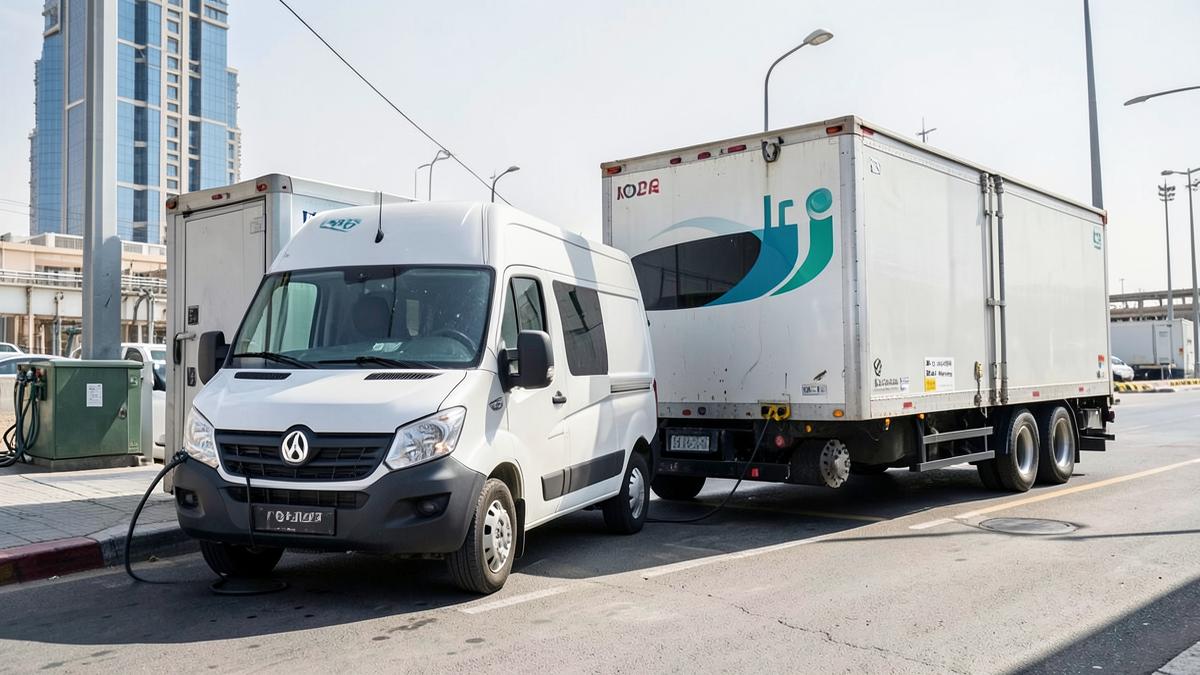
Diesel-powered chiller vans still win on range, refrigeration duty, and payload for most UAE cold chain routes, especially frozen and inter-emirate runs. Battery-electric vans work well for short, urban, chilled last-mile deliveries in Dubai and Abu Dhabi where charging infrastructure and route lengths are predictable, but 45°C heat and limited public fast-charging keep diesel the default for demanding refrigerated work today.
How Diesel Reefer Units Actually Work
Most diesel chiller vans on UAE roads use one of two refrigeration setups: engine-driven units that draw mechanical power directly from the van's engine via a belt or shaft, or standby/independent units with their own small diesel generator mounted on the chassis. Engine-driven systems are cheaper to install and lighter, but the refrigeration only runs when the vehicle engine is running, which is a problem during long loading stops or traffic.
Independent diesel units (like a small Thermo King or Carrier auxiliary engine) keep running even when the van is parked, which is why they're the standard choice for multi-drop chilled and frozen delivery routes in Dubai. They typically burn 0.5-1.2 litres of diesel per hour depending on ambient temperature and box size, and this fuel draw is separate from the van's own fuel consumption.
Battery-Electric Vans: Range Loss in UAE Heat
Electric vans (e.g. converted Maxus eDeliver3, JAC electric panel vans, or electric light trucks now trialled by some UAE fleets) advertise ranges of 200-300km on a full charge in temperate conditions. In actual Gulf summer conditions, that range routinely drops by 25-40%, because two things compete for the same battery: propulsion and the electric refrigeration compressor.
Running a chiller box at +2°C to +5°C, or worse a freezer box at -18°C, while the ambient temperature outside is 45-48°C forces the refrigeration compressor to work far harder than it would in Europe or the US. On a battery-electric platform this refrigeration load is drawn from the same pack that powers the wheels, so a van that might do 220km empty on the highway can realistically manage 130-160km on a hot Dubai afternoon with a fully loaded, actively cooled box.
This is the single biggest practical constraint on electric chiller vans in the UAE today: the harder the refrigeration unit has to work to fight the heat, the less range is left for the actual delivery route.
UAE Charging Infrastructure: The Reality
Dubai and Abu Dhabi have expanded EV charging networks fast, with DEWA's EV Green Charger network and ADNOC/TAQA stations covering major roads and malls. But most of this infrastructure is built for passenger cars, not commercial vans that need to charge overnight at a depot or top up mid-shift near industrial areas like Al Quoz, Ras Al Khor, or DIP.
A fleet running electric chiller vans in the UAE today needs its own depot-based charging point (a 22kW or higher AC charger, ideally DC fast-charging for quick turnarounds), because relying on public charging for a delivery schedule introduces unacceptable risk to cold chain timing. Renters without a dedicated charging setup at their premises should treat electric chiller vans as impractical for now, no matter how attractive the running-cost numbers look on paper.
Running Cost and Total Cost of Ownership
On a per-kilometre basis, electricity in the UAE (residential and commercial DEWA/ADDC rates) is genuinely cheaper than diesel, and electric vans have fewer moving parts to service — no engine oil changes, no diesel particulate filters, no injector servicing. For a short, predictable urban loop this can meaningfully lower running costs.
But total cost of ownership for electric chiller vans is still weighed down by higher upfront purchase or lease price, battery degradation concerns in extreme heat over a 3-5 year ownership period, and the added capex of depot charging infrastructure. Diesel chiller vans remain the more predictable investment for most UAE rental fleets: purchase price, fuel cost, and maintenance schedules are all well understood, and diesel refuelling network coverage across all seven emirates is universal.
Payload: The Hidden Electric Penalty
Battery packs are heavy. An electric van built on the same chassis as a diesel equivalent typically carries 150-400kg less usable payload once the battery, motor, and reinforced chassis are accounted for. For businesses moving palletised chilled goods, beverage cases, or bulk frozen stock, this payload penalty can mean an extra van (and driver) on the road to move the same volume — quietly erasing any running-cost savings.
Where Electric Works Today vs Where Diesel Still Wins
Electric chiller vans make sense right now for short, high-frequency, urban last-mile chilled delivery — think supermarket home delivery loops within a single emirate, pharmacy cold chain runs across a compact city zone, or catering deliveries within a 40-60km radius of a depot with charging on site.
Diesel chiller vans still make more sense for inter-emirate routes (Dubai to Abu Dhabi, Sharjah to Fujairah), long frozen transport runs where -18°C must be sustained for many hours, any route without guaranteed depot charging, and any fleet that needs maximum payload flexibility across chilled and frozen loads on the same day.
- Electric fits: urban last-mile, short chilled loops, depot charging available
- Diesel fits: inter-emirate, frozen long-haul, no depot charging, high payload need
- Electric fits: predictable daily distance under ~120km round trip
- Diesel fits: variable routes, multi-stop schedules with long idle/loading time
UAE Policy Direction and What Renters Should Ask
The UAE's Net Zero 2050 strategy and Dubai's own clean transport targets mean electric commercial vehicle incentives, charging infrastructure, and fleet mandates will keep expanding over the next decade. It is reasonable to expect electric options to become more competitive for cold chain use as battery technology, thermal management, and charging coverage improve.
For now, renters evaluating electric vs diesel chiller vans should ask: what is my actual daily route distance and does it leave enough range buffer for the heat? Do I have secure overnight or midday charging access? What payload do I need on my heaviest day, not my average day? And what happens to my delivery schedule if a charge takes 45 minutes longer than planned mid-route? Answering these honestly will point most UAE cold chain operations toward diesel today, with electric as a smart addition for a defined, short-range portion of the fleet.
Electric vs Diesel Chiller Vans: UAE Comparison
| Factor | Electric Chiller Van | Diesel Chiller Van |
|---|---|---|
| Real-world range in summer heat | 130-160km loaded with active cooling | 400-600km on a full tank |
| Refrigeration duty in 45°C ambient | Draws from same battery pack as propulsion | Independent diesel unit, unaffected by drive range |
| Running cost per km | Lower electricity cost, but reduced by range/payload penalties | Higher fuel cost, but predictable and well understood |
| Payload capacity | 150-400kg less than diesel equivalent | Full rated payload available |
| Charging/refuelling infrastructure | Requires dedicated depot charger; public network limited for vans | Diesel stations available nationwide |
| Maintenance | Fewer moving parts, lower routine servicing | Regular oil, filter, injector servicing required |
| Best suited to | Short urban last-mile, chilled goods, single-emirate loops | Inter-emirate, frozen long-haul, high-payload, no charging access |
Figures are indicative ranges based on current UAE fleet conditions and typical van-class refrigeration units; actual performance varies by vehicle model, load, and route.
Frequently Asked Questions
Are electric chiller vans available for rent in the UAE?
A small but growing number of fleets offer electric refrigerated vans, mostly for short urban delivery contracts. Availability is far more limited than diesel chiller vans, and most rental fleets, including ours, primarily run diesel vehicles because they suit the broadest range of routes and cargo types.
Do electric vans lose refrigeration performance in Dubai summer?
The refrigeration unit itself can maintain temperature, but it has to work much harder in 45°C+ ambient heat, which draws more power from the battery and reduces the driving range available for the actual delivery route.
Is diesel or electric cheaper to run per kilometre in the UAE?
Electricity is generally cheaper per kilometre than diesel fuel, but once you factor in reduced payload, shorter real-world range in heat, and depot charging infrastructure costs, the total cost of ownership gap narrows considerably for cold chain use.
Can an electric chiller van handle a Dubai to Abu Dhabi frozen delivery?
This is a challenging use case today. The combined distance, sustained -18°C freezer load, and lack of guaranteed charging along the route make diesel the safer choice for this kind of inter-emirate frozen run.
What charging setup do I need to run electric chiller vans in my fleet?
At minimum a dedicated depot charger (ideally DC fast-charging for quick turnarounds) at your premises. Relying on public EV charging networks for a commercial delivery schedule introduces timing risk that most cold chain operators cannot accept.
Will electric chiller vans become more common in the UAE?
Yes. The UAE's Net Zero 2050 strategy and expanding charging infrastructure make it likely that electric options will become more viable for cold chain use over the next several years, particularly for short urban routes.
Does an electric chiller van carry as much cargo as a diesel one?
Usually not. Battery weight typically reduces usable payload by 150-400kg compared to an equivalent diesel van, which matters for palletised or bulk chilled/frozen loads.
Which should I choose for my business today?
If your routes are short, predictable, and within a single emirate with charging access, electric can work well. For frozen goods, long distances, variable schedules, or no depot charging, diesel remains the more reliable and available option in the UAE right now.
Related Articles
5 Ways to Reduce Cold Chain Costs in Dubai
Practical strategies to cut refrigerated transport expenses without compromising quality.
Read MoreIoT Temperature Monitoring for Logistics
Real-time visibility into cold chain performance across your fleet.
Read MoreFrozen Transport Services
Sustained -18°C transport for long-haul and inter-emirate frozen cargo.
Read MoreContact & Depot Details
DegreeZero Chiller Vans
- International City, England Cluster, Dubai, Dubai, United Arab Emirates
- +971 52 844 3843
- Smartcoolvans52@gmail.com
- Mon–Sun, 24 hours — 24/7 emergency replacement